Description
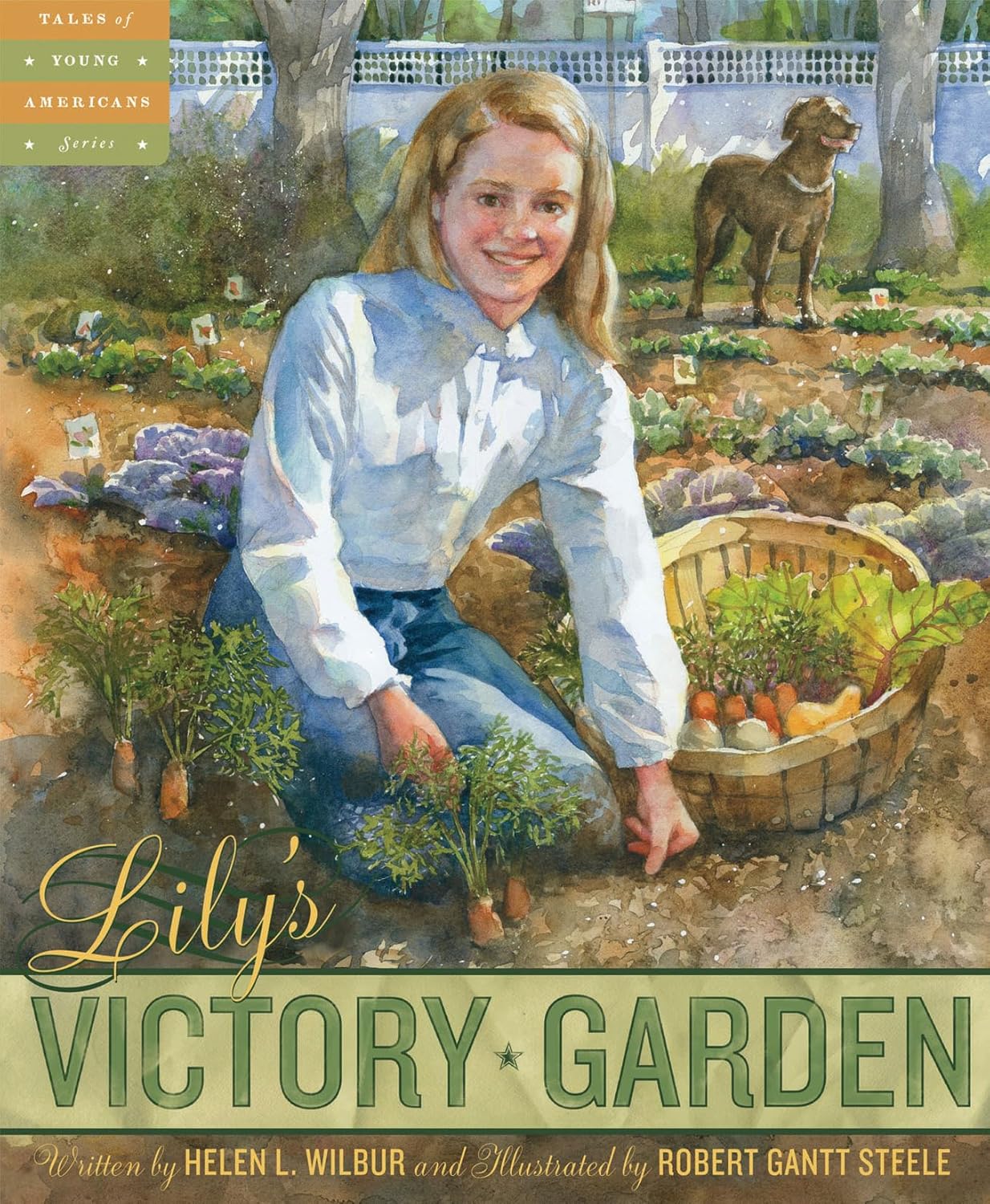
Horticultural Therapy has been defined as “the use of plants and gardens for human healing and rehabilitation”. It is an ancient practice, but a rather new profession. In the early 19th century, Dr. Benjamin Rush, a signer of the Declaration of Independence, observed and documented the benefits of working with plants for his patients at his Philadelphia clinic. Horticultural Therapy programs are now commonplace at many different facilities in this country and abroad.An increasingly large body of research attests to the unique values of horticulture as a therapy for people with physical, mental, emotional, and social disabilities. As plants are non-discriminating and non-threatening, anyone can be successful. It doesn’t matter how old or intelligent a person is; their race, religion, and IQ don’t matter either. Plants will respond to anyone providing care. Studies show that success with plants can lead to successes in other aspects of our lives. This is important for individuals whose disabilities or limitations might hinder their accomplishments in other pursuits. ~Rutgers School of Environmental and Biological Sciences“Absolutely true to the era, the illustrations are perfect, each page rendered in that particular beauty and effect I’ve come to know with all Sleeping Bear Press books. That the illustrator was able to capture, not just the true essence and feel of the times, the neighborhoods, the people, even the animals, but the actual quality of illustrative artwork used during that desperate, but caring time in our history when people pulled together, laying aside differences and class prejudices in order to save our country and the world, jumps from the pages. As an artist and illustrator myself, I have nothing but the highest regard for Mr. Robert Gantt Steele’s talent. And the story? It will touch your heart, and you’ll pull it out over and over again to read to your children and grandchildren. A true book to cherish. Bravo, Helen L. Wilbur and Sleeping Bear Press. Lily’s Victory Garden is all anyone could ever hope for and more–a good book for keeping forever, to be cherished by young and old, alike.”